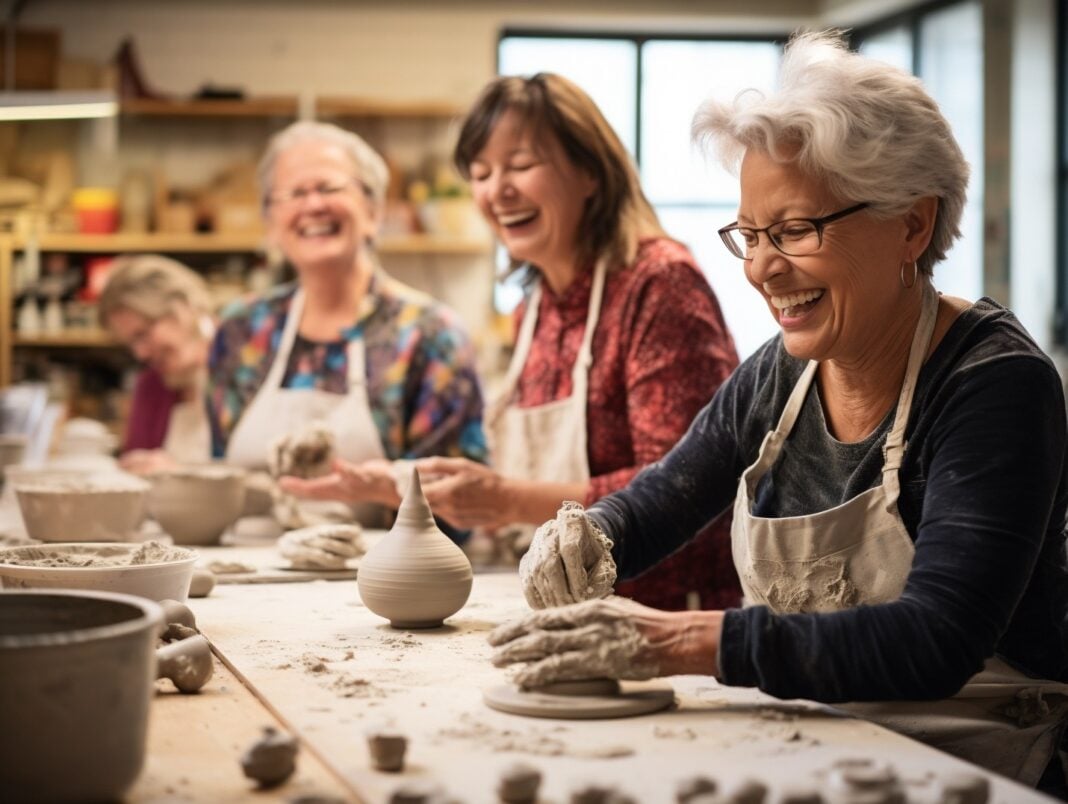
In today’s evolving residential landscape, 55 and up communities are redefining what it means to balance freedom with structure. These communities are designed for individuals seeking a lifestyle that blends autonomy with subtle frameworks of support, allowing residents to enjoy unstructured days without losing the benefits of routine. By emphasizing thoughtful design, resident engagement, and accessible wellness programming, 55 and up communities foster an environment where residents can structure their lives on their terms while still enjoying the mental, physical, and social benefits of daily rhythms.
The Science Behind Flexible Routines in 55 and Up Communities
Research from the American Psychological Association highlights the importance of flexible routines for adults over 55. While rigid schedules can feel restrictive, a loosely guided daily framework helps maintain cognitive function, supports mental health, and encourages sustained engagement in community life. 55 and up communities implement this balance by integrating activities, wellness programs, and shared spaces that naturally encourage participation without imposing strict time demands.
- Morning wellness flow: Gentle group exercises, walking clubs, or Tai Chi sessions set a tone for an active, mindful day.
- Flexible dining options: Communal meal spaces accommodate social interactions while giving residents the freedom to decide when and with whom they eat.
- Community hubs: Shared areas for games, conversation, and hobbies encourage spontaneous gatherings while maintaining a sense of structure.
Flexible routines in 55 and up communities also account for circadian rhythms, energy levels, and seasonal changes. By not imposing rigid start times, residents can optimize their daily schedules according to personal energy peaks, which improves engagement and reduces stress.
Architectural and Spatial Design That Encourages Flow
The physical layout of 55 and up communities plays a crucial role in supporting unstructured living. Wide walkways, accessible clubhouses, and strategically placed amenities create an intuitive flow that encourages movement and social engagement without requiring rigid scheduling. These design principles are supported by research from the Center for Active Design, which emphasizes that well-planned spatial flow can reduce cognitive load, enhance physical activity, and improve overall quality of life for older adults.
- Interconnected spaces: Allow residents to move naturally from recreational areas to social hubs.
- Visual cues: Landscaping and signage guide residents without overt instructions.
- Adaptive indoor-outdoor transitions: Easy access to gardens, patios, and walking paths encourages daily activity at one’s own pace.
Beyond simple accessibility, spatial design in 55 and up communities also accounts for safety, visibility, and social proximity. Open sightlines and gathering areas encourage natural interaction, while quiet zones allow retreat and reflection. The result is a balance of autonomy and community that keeps residents active, socially connected, and cognitively engaged.
Social Architecture: Encouraging Connection Without Pressure
Social interaction is a cornerstone of well-being, yet older adults often resist overly structured or mandatory events. 55 and up communities have responded by developing “social architecture” that encourages connection without pressure. By designing opportunities rather than obligations, these communities ensure residents participate according to their interests, energy levels, and moods.
- Resident-led clubs and interest groups: Encourage ownership of schedules and foster peer-to-peer engagement.
- Pop-up community events: Provide spontaneous social opportunities without enforcing attendance.
- Quiet spaces and reflection areas: Allow residents to retreat when they desire solitude, ensuring choice remains central.
This approach not only strengthens relationships but also reduces stress and promotes a sense of agency. It aligns with findings from the National Institute on Aging, which indicate that social autonomy correlates with improved cognitive health, lower rates of depression, and increased overall satisfaction in later life.
Wellness Integration Without Mandates
One of the defining features of 55 and up communities is the integration of wellness into daily living. Health programs, fitness classes, and nutritional resources are available, but participation is optional, allowing residents to build routines that suit them personally. This approach respects autonomy while encouraging healthy behavior patterns, a balance crucial for maintaining independence and long-term vitality.
- Optional fitness programs: Yoga, strength training, aquatic exercise, and low-impact cardio cater to varied interests and ability levels.
- Wellness education workshops: Inform residents about healthy living choices without imposing rigid schedules.
- On-demand wellness resources: Access to wellness coaches or telehealth consultations supports individualized routines.
By incorporating choice and flexibility, 55 and up communities create an environment where residents are more likely to adopt and sustain wellness practices. Even minor daily decisions, like choosing to join a morning walk or attending a nutrition seminar , can have compounding benefits for long-term physical and mental health.
The Role of Personalized Support in Maintaining Routine
Support within 55 and up communities is subtle but impactful. Staff act as facilitators, not enforcers, providing guidance and gentle nudges rather than directives. Personalized calendars and resident-driven program adjustments allow each individual to craft a routine that aligns with personal goals, energy levels, and social preferences.
- Encouragement over enforcement: Activity Directors invite participation but never mandate it.
- Tailored program offerings: Activities are adjusted based on resident interest, engagement levels, and feedback.
- Integration with daily habits: Morning check-ins, community announcements, and optional workshops help residents maintain continuity without pressure.
This type of support maintains the benefits of structure, enhanced cognitive function, social engagement, and healthy habits while preserving autonomy and flexibility, key priorities for older adults seeking independence in daily life.
Designing for Cognitive and Emotional Well-being
Cognitive health and emotional well-being are central considerations in 55 and up communities. Unstructured days with optional routines help prevent decision fatigue while still offering regular cues for engagement. Environmental psychology research (.org) shows that spaces optimized for clarity, sensory stimulation, and ease of movement can significantly enhance both mental focus and mood.
- Visual cues and memory supports: Color-coded pathways, signage, and organized common areas assist navigation and memory.
- Opportunities for mental stimulation: Games, reading groups, and workshops provide cognitive challenges without pressure.
- Social choice as cognitive engagement: Decisions about which activities to join stimulate planning and decision-making skills.
These intentional design choices ensure that residents benefit from both freedom and subtle structure, reinforcing the idea that autonomy and routine are not mutually exclusive.
The Takeaway: Balance, Choice, and Engagement
Ultimately, 55 and up communities show that aging actively involves balancing freedom with subtle guidance. Residents enjoy unstructured living without losing the benefits of routine, thanks to thoughtfully designed spaces, flexible social programming, optional wellness offerings, and personalized support. By combining architectural flow, social opportunity, and wellness integration, these communities empower adults to maintain independence, sustain engagement, and cultivate overall well-being.
For adults over 55 seeking an enriched lifestyle, these communities provide both choice and structure, ensuring daily life remains stimulating, flexible, and rewarding. By redefining the concept of routine, 55 and up communities allow residents to focus on living fully rather than managing the minutiae of daily obligations.